Solution & Carbon Neutrality
What It Is
A 100% plant-based Ayurvedic formulation applied in-situ.
It works with natural processes to restore vertical water flow, re-enable photosynthesis, reduce sludge/odours, and help biodiversity return—without synthetic chemicals or added bacteria/enzymes.
How It Works
- Reactivates vertical movement of water, reconnecting surface and soil.
- Supports photosynthesis in algae and aquatic plants to absorb CO2 and release O2
- Re-balances microbial ecology (incl. mixotrophic microbes) so organics are consumed instead of accumulating as pollution.
- Suppresses algal blooms and weeds by restoring natural food-web consumption cycles.


Where It Works
- Urban lakes/ponds/rivers/drains with ongoing inflow
- Rural ponds and irrigation reservoirs
- Sites with uncemented bottoms and uncovered surfaces to allow light and soil contact
Safety & Environmental Stewardship
- Plant-based inputs; site-specific dose rates to protect local ecology
- Monitoring program for clarity, odour, algal coverage, and biodiversity
- Optional third-party sampling for water/soil indicators
Delivery & Commercials
- Zero CapEx; OpEx subscription or pay-per-water-body model
- Site-specific dosing plan (potency/quantity/frequency)
- On-site training for local operators; simple logistics
100% plant-based
Ayurveda-inspired, nature-based rejuvenation programs

Natural Carbon Sinks
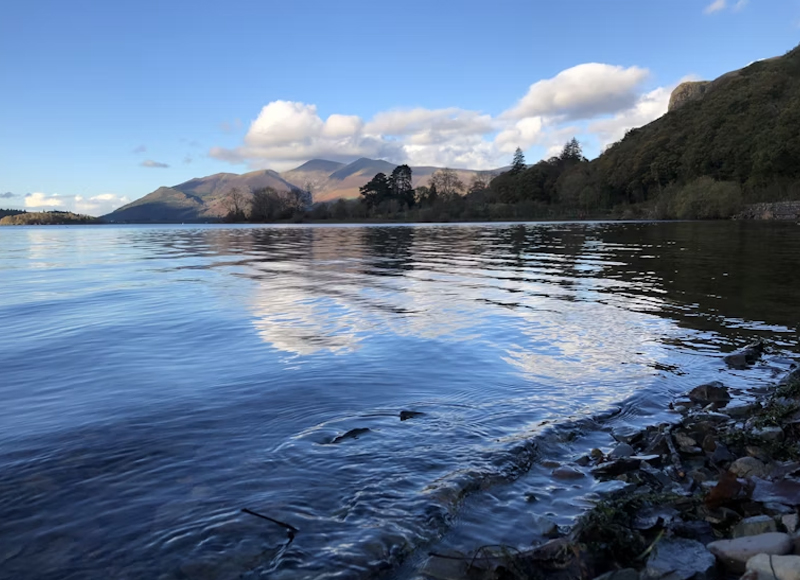
Rejuvenated water bodies absorb CO2 via algae and aquatic plants and release O2 through photosynthesis. Restored vertical flow promotes carbon fixation into soils, enabling a durable carbon sink.
Microbial Ecology
Healthy water supports mixotrophic microbes that can photosynthesize (absorbing CO2) and consume organics (reducing pollution loads). Balanced conditions tilt the system toward net carbon uptake.
Policy & Standards Alignment
- Supports Paris Agreement objectives and SDG 13
- Designed to fit MRV frameworks (Measurement, Reporting, Verification) needed for carbon accounting.
Carbon-Credit Pathway
- Establish baseline (clarity, biomass, soil carbon proxies).
- Implement dosing and monitoring plan.
- Engage accredited methodology/standard; define MRV parameters.
- Verify and issue credits through a registry.
- Report and retire credits as applicable.